
PRODUCTION & QUALITY
How the pouchesare made.
The pouches Swidi exports are produced in Sweden by Kurbits Snus AB from plant-based cellulose, nicotine and food-grade flavour and stabiliser ingredients. Swidi AB distributes them under a commercial agreement with Kurbits; Swidi does not manufacture and does not own the brands.
THE CHAIN
Five steps. One country.No shortcuts.
Every can we export follows the same production path at the Kurbits facility in Sweden, from raw material intake to release for export. Compliance documentation accompanies each product and is available to trade partners and regulators on request.
STEP 01
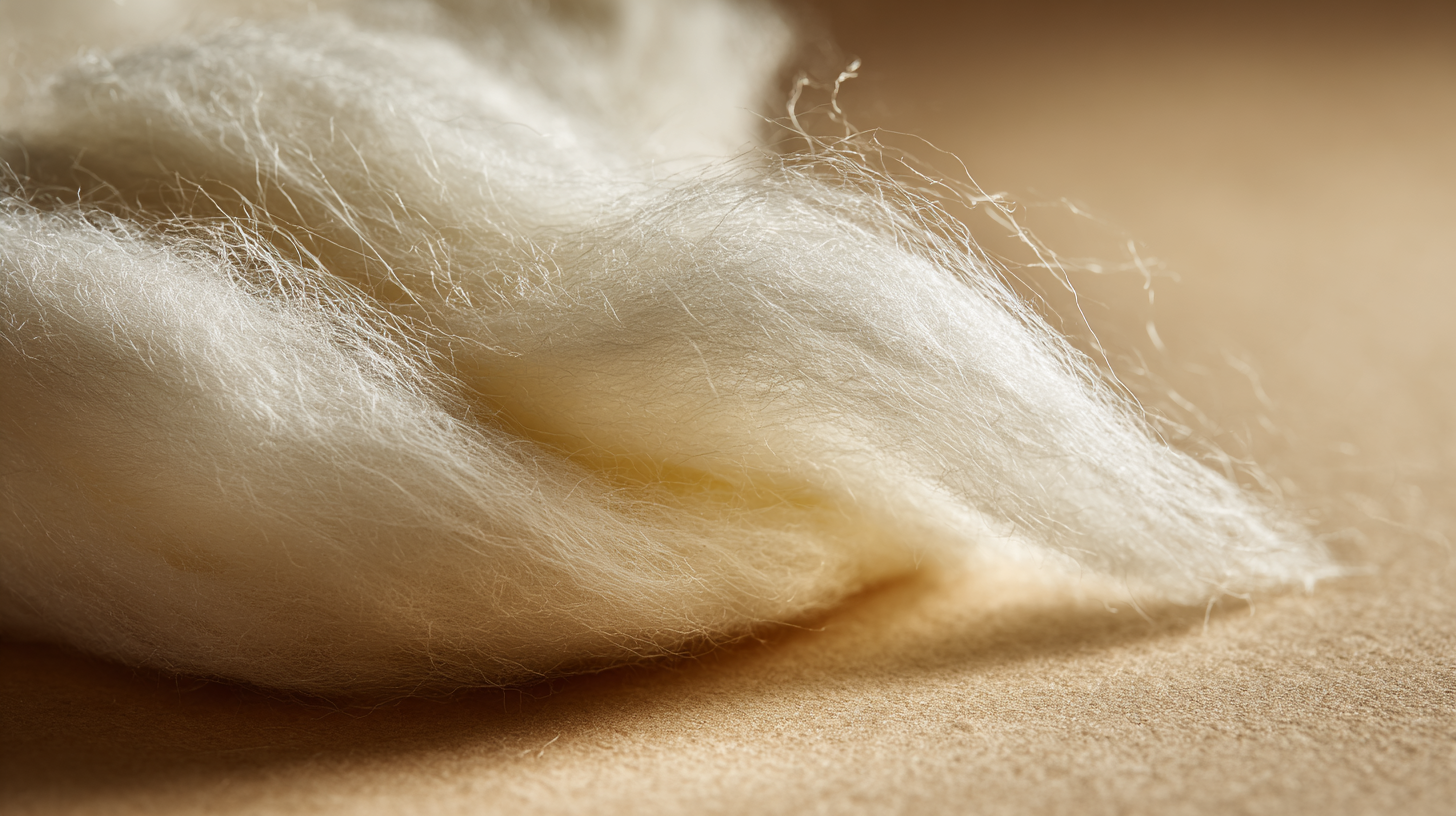
Raw material sourcing.
Raw materials are sourced from EU suppliers: plant-based cellulose fibres for the pouch body, nicotine (CAS 54-11-5, REACH registered), food-grade flavour compounds, sweeteners and pH stabilisers.
STEP 02
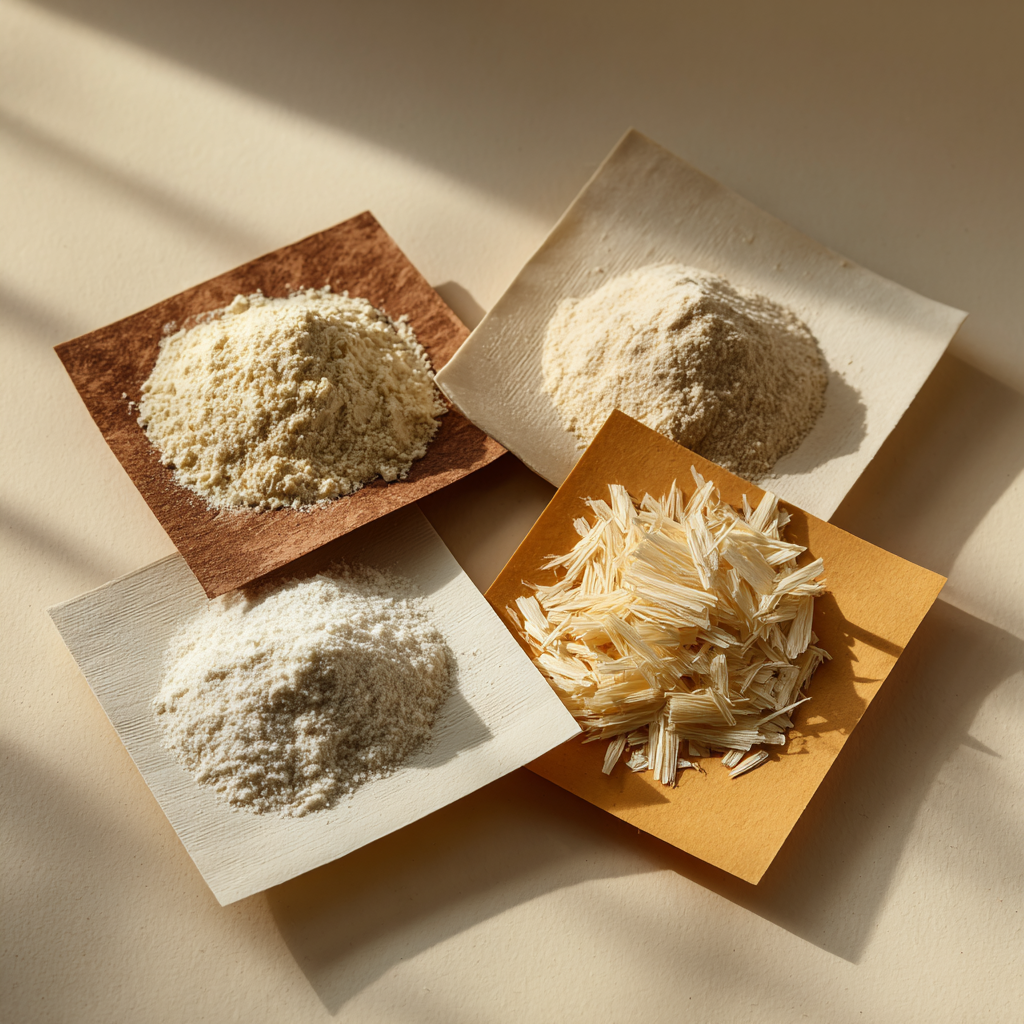
Pouch formulation.
The cellulose blend is filled with the active mixture and formed into slim, all-white pouches. Nicotine content is set per formulation — 12, 16 or 20 mg/g depending on the product — and each formulation carries its own UFI code.
STEP 03
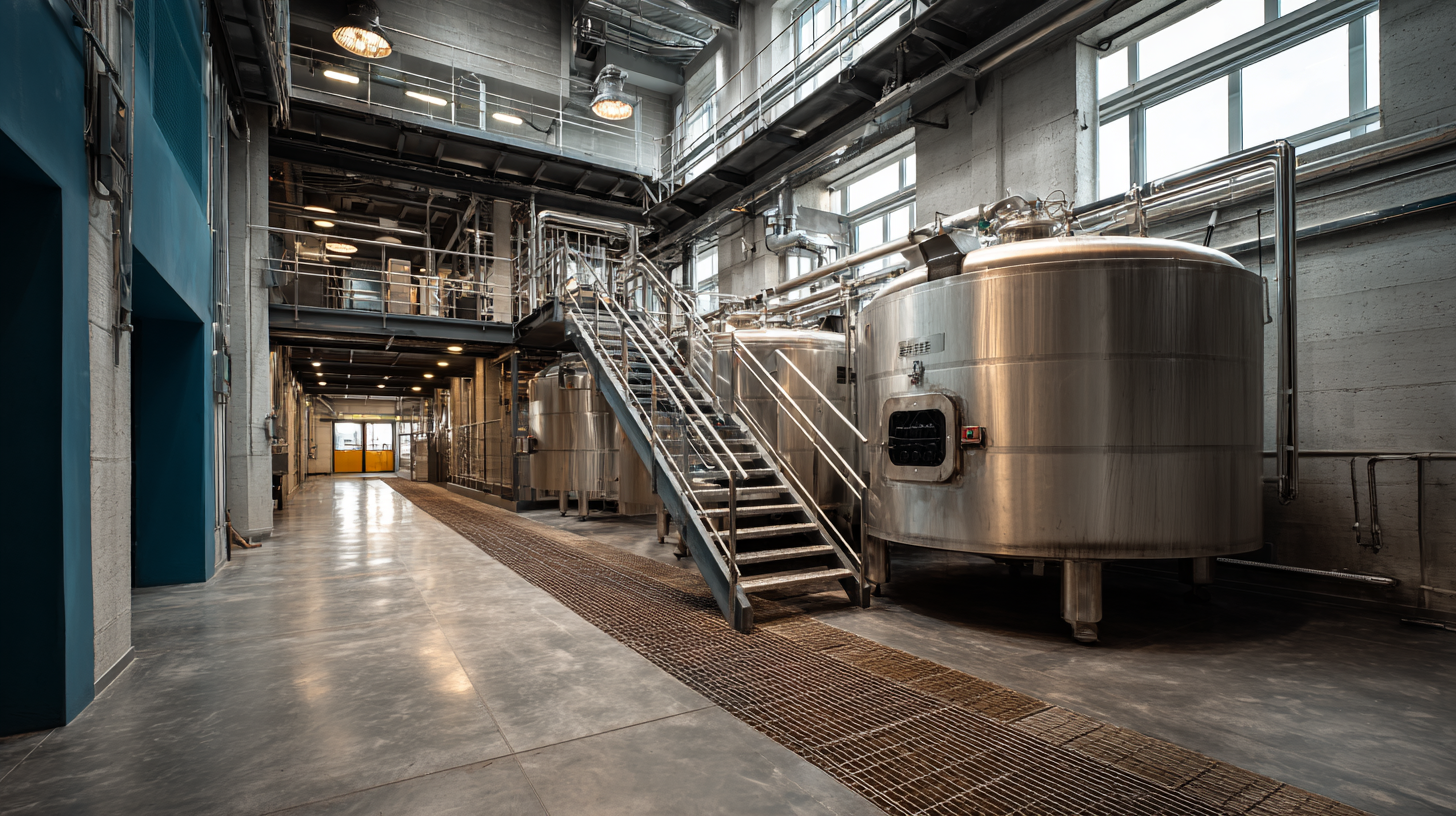
Can filling and sealing.
20 slim pouches per can. Avant cans are 13 g with 0.65 g per pouch; ViD cans are 12 g with 0.60 g per pouch. Cans are sealed and marked with a batch and production code.

STEP 04
Classification and documentation.
Each product is classified under CLP (Regulation (EC) No 1272/2008) as Acute Tox. 4, H302 “Harmful if swallowed”, signal word Warning. A Safety Data Sheet is maintained per product, and PCN notifications under CLP Annex VIII are filed in 16 European countries.
STEP 05
Export to authorised trade partners.
Released batches are exported by Swidi AB to authorised wholesale, retail, online and home-delivery partners. Supply is subject to local regulation and territory agreement.
COMPLIANCE
The documentation behind each product.
These are the verified regulatory instruments that accompany the products we distribute. Trade partners and regulators can request the underlying documents through Swidi AB.
Regulation (EC) No 1272/2008. Acute Tox. 4, H302 “Harmful if swallowed”. Signal word: Warning.
Nicotine, CAS 54-11-5, at 1.35–1.65 % of the mixture.
A Unique Formula Identifier is issued for each formulation.
Filed under CLP Annex VIII in 16 countries, including Sweden, Germany, Italy, Spain, the Netherlands and Norway.
Maintained per product (v1.0, effective 2023-12-06) and provided on request.
TRACEABILITY
From raw materialto finished can.
Every can carries a batch code and production date. Those identifiers connect to the production records held by Kurbits Snus AB and to the export consignment recorded by Swidi AB. If a trade partner or regulator needs to verify a specific can, the request is traced back through those records.